
Window Condensation: What It Means and How to Fix It
Interior and Exterior Window Condensation: Understanding the Difference and Finding Solutions
You wake up on a cold morning, open your blinds, and notice your windows are fogged or covered with moisture. Is your new window system already failing? Should you be concerned? At Quint-Pro Siding & Windows, we field this question frequently from homeowners who assume condensation means their windows are defective. The truth is far different. Understanding what’s actually happening with window condensation—and learning the difference between normal moisture and a real problem—helps you address the issue correctly and make informed decisions about your home. Window condensation is one of the most misunderstood phenomena in residential construction. Most condensation you see is not a window problem at all. In fact, it’s often a sign that your windows are performing their job exceptionally well by providing superior insulation. The key is knowing when condensation is normal and when it indicates a genuine issue requiring attention.
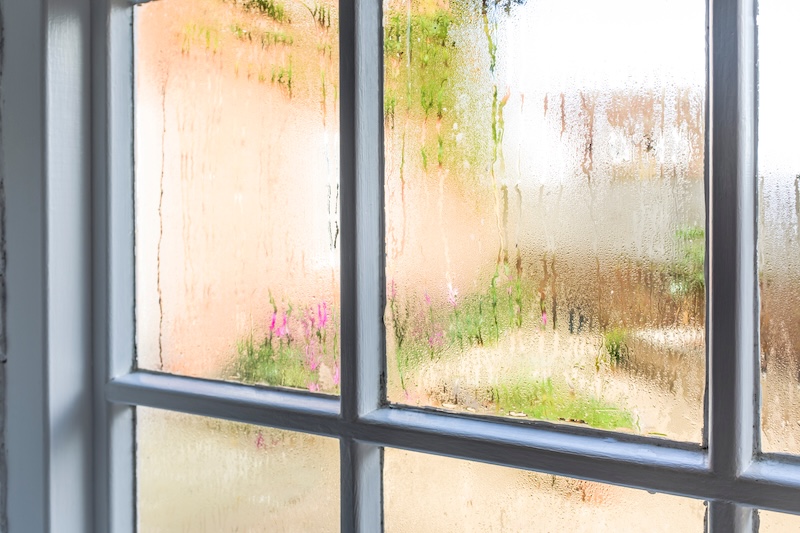
Interior Condensation: High Humidity Meeting Cold Glass
Interior window condensation occurs when warm, humid air inside your home encounters the cooler surface of your window glass. This is basic physics: when air reaches its dew point—the temperature at which it becomes fully saturated with moisture—water vapor turns into liquid droplets on the coldest surface available.
Everyday activities create significant moisture in your home. Cooking, washing dishes, taking showers, and even breathing and perspiration all add humidity to your indoor air. With multiple occupants in your home, this moisture accumulates quickly. When that humid air meets the cold interior glass surface of your window, especially in winter when outside temperatures are frigid, condensation forms.
The solution is straightforward: ventilation. Opening your windows for a few hours allows humid air to escape. Running exhaust fans in kitchens and bathrooms during and after moisture-producing activities helps. Some homeowners also use dehumidifiers to actively reduce indoor humidity levels. The condensation disappears as temperatures warm—both from the heating system warming the interior glass surface and from morning sun warming the exterior.
Exterior Condensation: A Sign of Window Efficiency
Exterior window condensation is actually good news. It typically appears on cool mornings when nighttime temperatures drop below the dew point. This happens when the exterior glass surface becomes colder than the surrounding humid air outside. As the sun rises and temperatures warm, this condensation evaporates naturally.
Exterior condensation is especially common with high-performance, energy-efficient windows. These windows provide superior insulation, preventing interior heat from escaping and warming the exterior glass surface. This means your windows are working exactly as designed—keeping your home warm and efficient while the outside surface remains cold.
This is completely normal and requires no action. Think of it as dew forming on grass or condensation on your car windows on a humid morning—it’s an atmospheric phenomenon, not a product failure.
Condensation Between Panes: The Red Flag
There is one type of condensation that requires attention: visible moisture or fogging between the glass panes in your window. This indicates the hermetic seal around your insulated glass unit has failed. When the seal breaks, air and moisture can enter the space between panes, and you’ll see persistent cloudiness or water droplets that no amount of cleaning can remove.
This type of condensation is not a maintenance issue—it’s a structural failure. The window’s insulating properties have been compromised, and replacement is the appropriate solution. However, this is distinctly different from interior or exterior surface condensation.
Managing Interior Condensation Effectively
Control interior condensation by managing household humidity. Maintain relative humidity between 30-35% during winter months. Use exhaust fans, ensure proper ventilation, and consider a dehumidifier if humidity remains persistently high. Improving air circulation throughout your home also helps prevent moisture from concentrating near windows.
Trust the Science
Window condensation is a natural consequence of physics and atmospheric conditions. Surface condensation on the interior or exterior of your windows is not indicative of poor window quality. Rather, it’s often evidence that your windows are performing efficiently. Understanding what’s normal versus what signals a real problem helps you maintain your windows properly and avoid unnecessary concern or expense.
Questions About Your Windows?
If you’re noticing condensation on your windows and want professional guidance on whether it’s normal or indicates an issue, contact Quint-Pro Siding & Windows today. Our window experts can assess your situation and provide recommendations tailored to your home’s specific conditions. Call us or visit our website to schedule a consultation and learn more about maintaining optimal window performance and home comfort.