Which Siding Is Best for Homes in Rockwall: Vinyl, Fiber Cement, or Wood?
For most Rockwall, TX, homeowners, fiber cement siding offers the strongest combination of durability, weather resistance, appearance, and low maintenance, while vinyl siding is an excellent choice for affordability and easy upkeep. Wood siding provides unmatched natural character, but it generally requires more maintenance to handle North Texas sun, moisture, pests, and changing weather conditions.
Choosing siding is about more than finding a color that complements your home. The right material needs to perform through hot Texas summers, thunderstorms, hail, humidity, and years of sun exposure. Quint-Pro Siding & Windows helps Rockwall-area homeowners compare siding options based on their homes, budgets, aesthetic preferences, and long-term priorities. Our team offers vinyl, fiber cement, composite, and engineered wood siding, and we focus on careful installation because even premium siding needs to be installed correctly to deliver lasting performance. Quint-Pro also wraps the home before siding installation to provide additional protection against moisture.
Comparing Vinyl, Fiber Cement, and Wood Siding for North Texas Homes
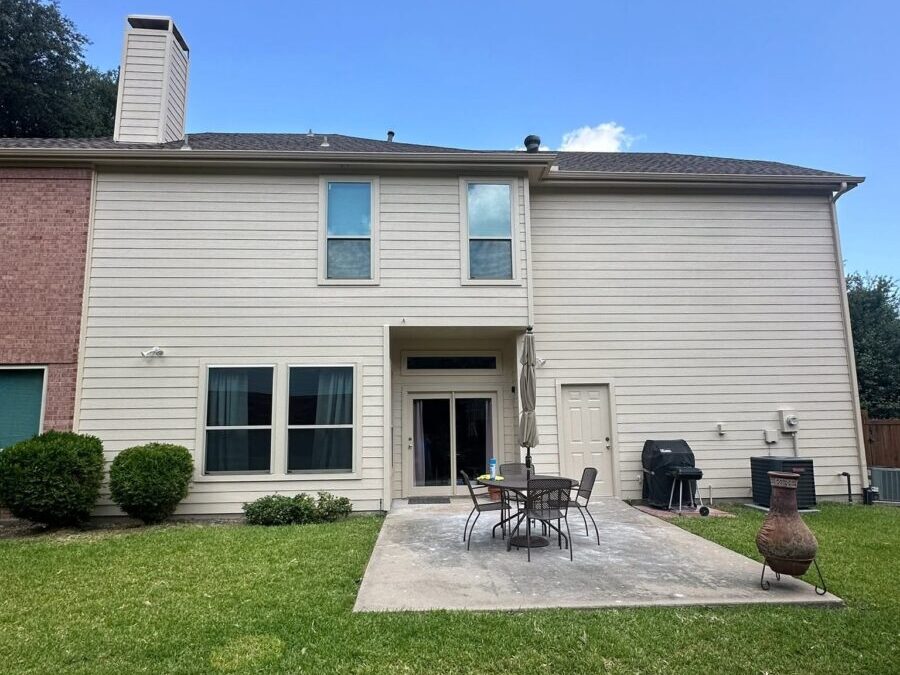
Vinyl, fiber cement, and wood can all create attractive exteriors, but they perform differently. For Rockwall homeowners, the most important differences involve initial cost, maintenance, resistance to weather and pests, and the desired appearance.
Is Vinyl Siding a Good Choice for Rockwall Homes?
Vinyl siding is a strong choice for homeowners who prioritize affordability, low maintenance, and design flexibility. It typically costs less than fiber cement or natural wood and does not require routine painting.
Modern vinyl siding is available in numerous colors, profiles, and textures. Insulated and foam-backed options can also add another layer of thermal resistance to the home’s exterior. This Old House identifies affordability, low maintenance, and broad style and color selection among vinyl siding’s primary advantages.
Quint-Pro offers Rockwall homeowners a foam-backed, insulated siding option designed to improve energy efficiency while resisting impacts from hail and wind-blown debris. That combination can be particularly valuable in North Texas, where homeowners need to consider both summer heat and severe storms.
Advantages of vinyl siding installation include:
- Lower initial cost than many premium siding materials
- Minimal routine maintenance
- No regular scraping, staining, or painting
- Wide selection of colors and profiles
- Insulated options for improved thermal performance
- Straightforward replacement of individual damaged sections
For homeowners focused on value and simplicity, quality vinyl siding can provide an attractive balance between performance and price.
Why Is Fiber Cement Siding Popular in Texas?
Fiber cement siding is particularly well suited to homeowners who want long-term durability without the maintenance demands of traditional wood. Products such as James Hardie siding combine cement, sand, water, and cellulose fibers to create a durable exterior material.
Weather resistance is an important advantage in Texas. James Hardie states that its products are engineered for regional climates and designed to withstand conditions including extreme heat, UV exposure, humidity, hail, and strong storms. Its fiber cement siding is also water resistant, holds little appeal to termites and other pests, and is noncombustible.
That makes fiber cement siding installation particularly appealing for Rockwall homeowners who want a wood-inspired exterior without relying on natural wood boards.
Key benefits include:
- Resistance to moisture-related damage
- Resistance to pests such as termites
- Strong performance through extreme weather
- Authentic wood-grain appearance options
- Noncombustible material
- Less frequent refinishing than traditional wood
James Hardie also backs many Hardie siding products with a 30-year non-prorated limited product warranty, subject to its warranty requirements.
Fiber cement generally costs more upfront than standard vinyl and requires proper professional installation. For homeowners planning to stay in their house for many years, however, the durability and reduced maintenance can make that additional investment worthwhile.
Does Wood Siding Still Make Sense in North Texas?
Wood siding remains an excellent aesthetic choice, but it requires the greatest commitment to maintenance of these three materials. Its biggest advantage is authenticity. Real wood provides natural grain, texture, and architectural character that manufactured products are designed to replicate.
The tradeoff is upkeep. Wood can be affected by moisture, insects, UV exposure, and changing weather conditions. This Old House recommends annual inspections and notes that wood siding generally needs refinishing every four to six years, depending on the finish and conditions.
Wood may still be the right choice when:
- Natural appearance is the homeowner’s highest priority
- The home’s architectural style benefits from authentic wood
- The homeowner is comfortable with periodic staining or painting
- Regular inspections and maintenance fit the long-term budget
For homeowners who like this appearance but want less upkeep, engineered wood siding can also be worth considering. Engineered wood combines wood fibers with resins to improve stability and resistance while maintaining a wood-like appearance.
Which Siding Requires the Least Maintenance?
Vinyl generally requires the least routine maintenance, followed closely by fiber cement, while traditional wood requires substantially more attention.
Vinyl siding primarily needs periodic cleaning and inspection. Fiber cement should also be cleaned and inspected, and painted versions eventually require repainting. This Old House notes that fiber cement commonly goes about 10 to 15 years between paint jobs, although actual maintenance schedules depend on the product, finish, installation, and exposure.
Wood needs more frequent inspection and refinishing to help prevent deterioration.
For busy Rockwall homeowners who want to spend less time maintaining their exterior, vinyl and fiber cement usually have a significant advantage.
How Should Rockwall Homeowners Choose Between the Three?
Start by deciding which matters most: lowest upfront cost, maximum durability, minimal maintenance, or authentic natural appearance.
Vinyl is typically the best fit when budget and easy maintenance lead the decision. Fiber cement is often the strongest all-around option when durability, weather resistance, and a premium appearance matter most. Wood is best suited to homeowners who prioritize natural beauty and architectural authenticity and are prepared for ongoing maintenance.
Installation quality matters just as much as the siding material. Flashing, house wrap, clearances, fastening methods, and moisture management all contribute to the performance of the finished exterior. Quint-Pro emphasizes detailed installation practices, including wrapping the house before installing siding and helping homeowners compare materials, colors, and textures during the planning process.
Frequently Asked Questions About Siding in Rockwall, TX
What siding holds up best in Texas heat?
Fiber cement is an excellent option for Texas heat because it is designed to resist extreme temperatures, UV exposure, humidity, and other harsh weather conditions. James Hardie specifically offers climate-engineered fiber cement products intended for hot, humid regions.
Is fiber cement siding better than vinyl siding?
Fiber cement generally offers greater rigidity, fire resistance, and a more substantial wood-like appearance, while vinyl siding typically costs less and requires very little maintenance. The better choice depends on your budget and long-term priorities.
Is vinyl siding cheaper than fiber cement?
Vinyl siding is generally the more affordable option. This Old House describes vinyl as the choice for homeowners prioritizing affordability and quick installation, while fiber cement occupies a middle ground between vinyl and more expensive natural wood.
How often does wood siding need to be repainted?
The exact schedule depends on the wood, finish, sun exposure, and weather conditions. Industry guidance from This Old House puts refinishing roughly every four to six years in some applications, while other guidance suggests repainting can sometimes extend to seven to ten years. Regular inspections help determine when maintenance is actually needed.
Find the Right Siding for Your Rockwall Home
There is no single siding material that is perfect for every house. Vinyl offers excellent value and easy upkeep, fiber cement combines durability with a premium appearance, and wood delivers authentic character for homeowners willing to maintain it.
Quint-Pro Siding & Windows can help you compare your options and select siding suited to your home, style, budget, and long-term goals.
Ready for new siding in Rockwall, TX? Contact Quint-Pro Siding & Windows today to schedule a consultation.