
Composite Siding Benefits for Rockwall, TX Homes
Is Composite Siding Better Than Traditional Siding?
For many Rockwall, TX homeowners, composite siding can be a better choice than traditional materials because it combines durability, attractive wood-like styles, and reduced maintenance. Depending on the specific composite product, it may offer better resistance to moisture, pests, impact, fading, or temperature-related damage than conventional wood or vinyl, making it well suited to demanding North Texas conditions.
At Quint-Pro Siding & Windows, we help Rockwall homeowners compare siding based on more than appearance or upfront price. The right exterior should complement your home while standing up to years of sun, storms, moisture, and everyday wear. Our team focuses on quality materials, careful installation, and straightforward recommendations based on the needs of each property. Whether you are replacing aging siding or planning a complete exterior update, we can help you understand how composite siding, fiber cement siding, vinyl, and other options differ so you can make an informed investment in your home.
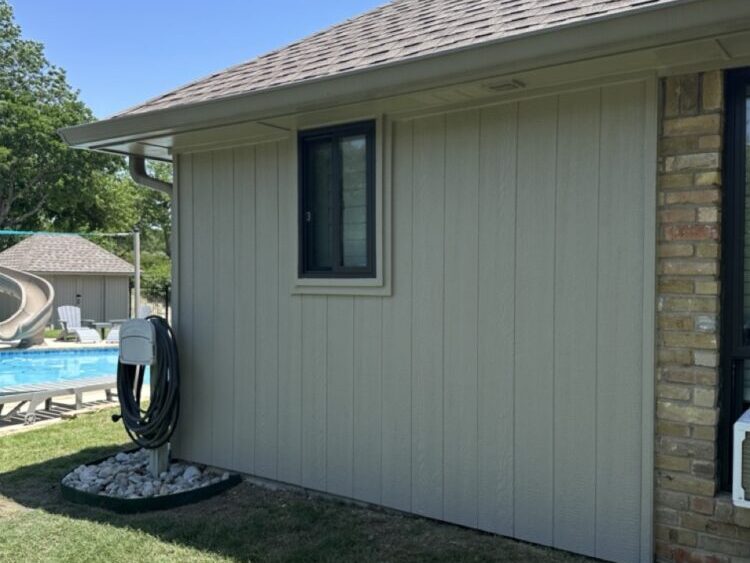
Why Choose Composite Siding for a Rockwall Home?
Composite siding is manufactured by combining materials to achieve performance characteristics that traditional siding may not provide on its own. The exact composition varies by manufacturer. Some products use engineered wood fibers and resins, while fiber cement combines cement, sand, water, and cellulose fibers.
That distinction matters. Homeowners should compare the specifications, warranty, maintenance requirements, and installation standards of the exact siding product being considered rather than assuming every composite performs the same way.
What Are the Main Benefits of Composite Siding?
The biggest advantages of composite siding are durability, lower maintenance requirements, design flexibility, and resistance to common exterior threats, although specific benefits depend on the product.
For Rockwall homeowners, potential advantages include:
- Long-term durability: Quality composite products are engineered to maintain their shape and appearance under demanding exterior conditions.
- Lower maintenance: Many options require less ongoing upkeep than natural wood siding.
- Wood-inspired appearance: Composite products can recreate the texture and character homeowners like about wood without requiring the same maintenance routine.
- Moisture resistance: Certain composite products are engineered to reduce problems associated with moisture absorption, rot, swelling, or warping.
- Pest resistance: Depending on the material, composite siding may be less vulnerable to termites and other wood-damaging pests.
- Design versatility: Homeowners can choose from numerous profiles, textures, and colors to complement both traditional and contemporary architecture.
These benefits help explain why terms such as composite siding, composite wood siding, and engineered wood siding have become important considerations for homeowners comparing exterior remodeling options.
How Does Composite Siding Compare With Wood and Vinyl?
Composite siding is designed to address some of the weaknesses associated with traditional wood and vinyl, but there is no single material that is automatically best for every house.
Traditional wood offers a distinctive natural appearance, but it can require painting, sealing, and repairs as it encounters moisture and pests. Vinyl siding is affordable and relatively easy to maintain, although certain products can be more susceptible to fading, impact damage, and extreme temperatures.
Composite products attempt to balance appearance and performance. Engineered wood, for example, uses wood fibers plus resins and other treatments to improve performance compared with untreated natural wood. Fiber cement is another manufactured siding option and provides a different set of performance characteristics.
James Hardie reports that its fiber cement products resist damage from moisture and pests and are noncombustible. The company also notes that fiber cement is made from Portland cement, sand, water, and cellulose fibers.
The best comparison is therefore not simply “composite versus traditional siding.” A homeowner should ask which specific siding system offers the best combination of durability, maintenance, appearance, warranty, and cost for the property.
Why Does Siding Durability Matter in Rockwall, TX?
Rockwall siding must handle significant heat as well as severe thunderstorms, heavy rain, wind, and occasional hail, making weather performance an important part of material selection.
This is not just a theoretical concern. The City of Rockwall warns residents that severe thunderstorms in the area can bring large hail, damaging winds, lightning, tornadoes, and very heavy rainfall. In July 2026, the National Weather Service documented a storm affecting Rockwall County that included penny-size hail and winds exceeding 30 mph.
Heat also deserves consideration. In August 2026, the National Weather Service issued an Extreme Heat Warning covering Rockwall, with temperatures and heat index values forecast as high as 111°F.
For homeowners near Lake Ray Hubbard and throughout Rockwall, these conditions make several siding characteristics worth discussing with an installer:
- Resistance to moisture and repeated weather exposure
- Ability to tolerate intense sunlight and high temperatures
- Impact and wind performance
- Stability during changing temperatures
- Manufacturer warranty coverage for the local climate
No siding is damage-proof, particularly during severe Texas weather. Choosing a product engineered for the conditions it will face, combined with correct installation, can provide a more dependable exterior over time.
Is Composite Siding Worth the Higher Upfront Cost?
Composite siding can be worth the investment when its durability and reduced maintenance offset a higher initial material or installation price. Homeowners should evaluate total ownership cost instead of comparing estimates based only on the first-day price.
Natural wood, for example, can introduce future expenses for painting, sealing, pest treatment, or replacement of damaged boards. Some lower-cost siding products may also require repairs following impact or weather exposure.
When comparing siding estimates, ask each contractor about:
- Expected maintenance over the life of the siding
- Product and workmanship warranties
- Painting or refinishing requirements
- Moisture and pest resistance
- Storm and impact performance
- Repair procedures if individual boards become damaged
- Installation requirements around windows, doors, corners, and rooflines
This comparison provides a clearer picture of long-term value than price per square foot alone.
How Do You Choose the Right Composite Siding?
Start by matching the siding’s documented performance to your home’s needs, then compare appearance, maintenance, warranty, and installed cost.
A Rockwall home exposed to strong afternoon sun may have different priorities from a shaded property where moisture is the greater concern. Architectural style matters too. The goal is to choose siding that protects the building envelope while giving the home the curb appeal you want.
Professional installation is equally important. Even high-quality siding depends on proper flashing, clearances, fastening, sealing, and manufacturer-approved installation practices to perform as intended.
Quint-Pro Siding & Windows can help homeowners compare composite siding, engineered wood siding, fiber cement siding, James Hardie siding, and vinyl siding based on the home’s condition, design goals, budget, and expected maintenance.
Frequently Asked Questions About Composite Siding
Does composite siding look like real wood?
Yes, many composite siding products are manufactured with realistic grain patterns and profiles designed to reproduce the appearance of traditional wood. Available textures and finishes vary by manufacturer.
Is composite siding low maintenance?
Generally, composite siding is designed to require less maintenance than natural wood, but maintenance varies by material and finish. Homeowners should follow the manufacturer’s cleaning, inspection, caulking, and refinishing recommendations.
Is composite siding better than vinyl siding?
It depends on your priorities and the products being compared. Composite siding may provide advantages in rigidity, appearance, impact performance, or durability, while vinyl can offer a lower initial cost and simple maintenance.
What siding is best for Texas heat?
Look for siding specifically rated or engineered for prolonged sun, high temperatures, and your local climate. Rockwall regularly experiences extreme summer heat, so heat stability, finish performance, installation practices, and warranty coverage should all factor into the decision.
Ready to Upgrade Your Rockwall Home With New Siding?
Choosing between composite siding and traditional materials comes down to more than curb appeal. Durability, maintenance, weather resistance, installation quality, and long-term value all matter, especially in North Texas.
Ready to find the right siding for your Rockwall home? Contact Quint-Pro Siding & Windows to discuss your siding project today.