
How Can You Tell If Your Home’s Siding Needs Replacement Before Winter in Rockwall, TX?
You can tell your home’s siding may need replacement before winter in Rockwall, TX, by checking for cracks, warping, loose panels, moisture damage, mold, and unexplained increases in energy bills. These warning signs can indicate that your siding is no longer protecting your home effectively. Addressing significant damage before colder weather arrives can help prevent water intrusion, drafts, and costly repairs.
Your home’s siding does more than improve curb appeal. It provides an essential barrier against the elements, helping protect your home’s structure from moisture, wind, and temperature changes. In Rockwall, TX, where hot summers, thunderstorms, strong winds, and occasional winter freezes can take a toll on exterior materials, keeping your siding in good condition is especially important.
At Quint-Pro Siding & Windows, we understand how important dependable exterior protection is for North Texas homeowners. Whether you’re dealing with aging vinyl siding, considering fiber cement siding, or exploring James Hardie siding for a longer-lasting exterior, choosing the right solution starts with understanding your home’s condition. Our focus is on helping homeowners make informed decisions about siding materials, installation, and replacement so they can feel confident about protecting their investment.
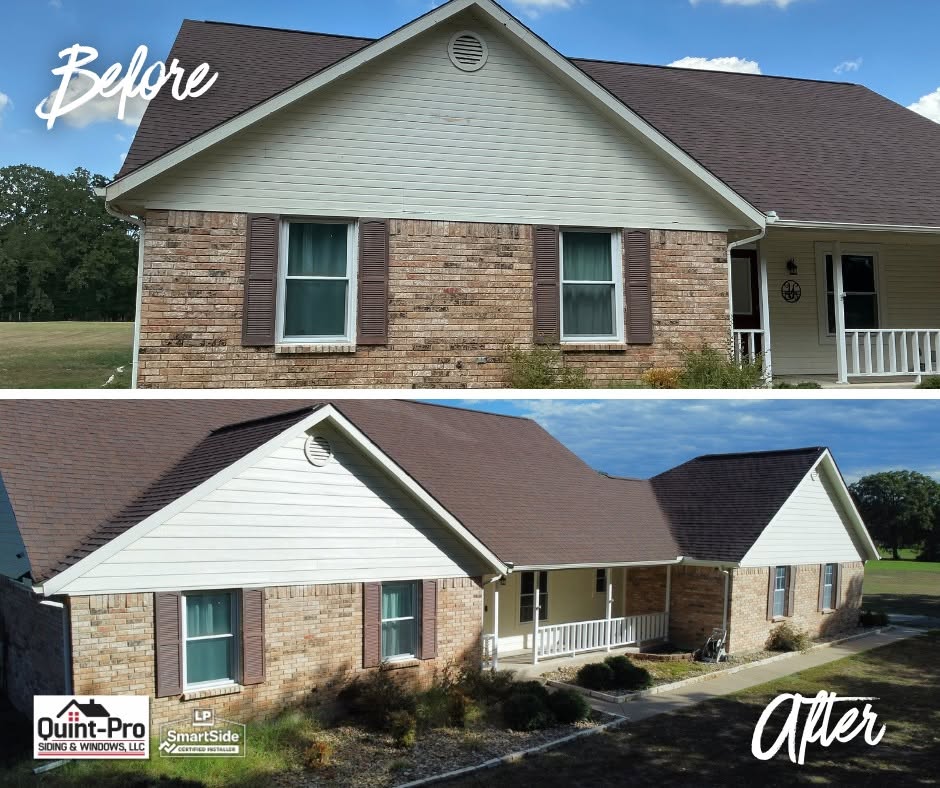
Warning Signs Your Home Needs Siding Replacement Before Winter
Not every siding problem requires a complete replacement. However, certain types of damage can indicate that repairs alone may not provide adequate protection.
Recognizing the warning signs early gives Rockwall homeowners time to evaluate their options before winter temperatures and seasonal storms create additional problems.
1. What Are the Most Common Signs of Damaged Siding?
Cracked, warped, loose, or deteriorating siding panels are among the clearest indicators that your home’s exterior needs attention.
Siding naturally experiences wear from sunlight, temperature fluctuations, wind, and moisture. Over time, these conditions can weaken materials and affect their ability to protect your home.
Look for these common warning signs:
- Cracks and holes: Openings can allow moisture and pests to reach areas behind the siding.
- Warped or buckling panels: Distortion may indicate improper installation, heat damage, or underlying moisture problems.
- Loose or missing siding: Exposed areas are more vulnerable to wind-driven rain and cold drafts.
- Rotting or soft spots: Particularly concerning with wood siding, these areas may indicate prolonged moisture exposure.
- Fading and deterioration: Severe surface wear, especially when accompanied by brittleness or cracking, can suggest aging materials.
Minor cosmetic issues may be repairable. However, widespread deterioration or repeated panel failures can make siding replacement the more practical long-term solution.
Homeowner tip: Walk around your property and inspect the siding from the ground. Pay particular attention to corners, window frames, doors, and areas near gutters where water may collect.
2. Can Moisture Damage Mean Your Siding Needs Replacement?
Yes. Persistent moisture damage is one of the most important reasons to consider siding replacement, especially when water has reached the materials beneath the exterior panels.
Siding is designed to help shed water, but damaged panels, failed flashing, or compromised weather barriers can allow moisture into the wall assembly.
Signs of potential moisture problems include:
- Mold or mildew repeatedly appearing on siding
- Dark stains or discoloration around joints and seams
- Soft or deteriorating exterior trim
- Peeling interior paint near exterior walls
- Water stains appearing inside the home after heavy rain
Rockwall homeowners should be particularly attentive following periods of heavy rainfall and thunderstorms. Water can enter through small openings and remain trapped behind siding, potentially damaging sheathing and framing.
According to the U.S. Environmental Protection Agency (EPA), controlling moisture is essential for preventing mold growth in buildings.
While surface mildew does not automatically mean siding needs replacement, recurring moisture problems deserve professional attention.
Homeowner tip: Check areas where siding meets windows, doors, rooflines, and exterior fixtures. These transitions are common locations for water intrusion when flashing or sealing details fail.
3. Why Might Rising Energy Bills Indicate Siding Problems?
Unexpected increases in heating or cooling costs can sometimes indicate gaps in your home’s exterior, but energy bills alone cannot confirm that siding needs replacement.
Your siding works alongside insulation, air sealing, and other building components to help maintain indoor comfort.
When exterior materials become damaged or separate from the wall, drafts and moisture intrusion may contribute to reduced energy performance.
Potential warning signs include:
- Cold drafts near exterior walls
- Noticeable temperature differences between rooms
- Air movement around windows and doors
- Visible gaps where siding panels meet trim
- Higher heating costs without an obvious explanation
The U.S. Department of Energy explains that air sealing and proper insulation can improve comfort and reduce heating and cooling expenses.
However, replacing siding alone does not necessarily solve energy-efficiency problems. The underlying causes, including air leaks, insulation gaps, and window performance, should be evaluated.
For Rockwall homeowners planning exterior improvements, combining siding replacement with appropriate air sealing or insulation upgrades may provide additional benefits.
Homeowner tip: If your home feels drafty during cold weather, have the wall assembly inspected before selecting new siding. Identifying the actual source of heat loss helps prevent unnecessary expenses.
4. Should You Repair or Replace Your Siding Before Winter?
Siding repair is generally appropriate for isolated damage, while replacement may be the better investment when deterioration is widespread, recurring, or affecting the materials underneath.
The decision depends on the siding’s age, condition, material, and extent of damage.
Consider siding repairs when:
- Damage is limited to a few panels.
- The surrounding siding remains structurally sound.
- Replacement panels are available and compatible.
- No significant moisture damage exists beneath the surface.
Consider siding replacement when:
- Multiple sections are cracked, warped, or deteriorating.
- Repairs have become frequent.
- Moisture damage affects the underlying wall.
- The existing siding is nearing the end of its useful life.
- You want to improve exterior durability and reduce ongoing maintenance.
For homeowners considering new siding, material selection also matters.
Vinyl siding is a popular option because it offers relatively low maintenance and a range of colors and styles.
Fiber cement siding, including James Hardie siding products, provides durability and resistance to several common exterior threats when properly installed and maintained.
Engineered wood siding offers a wood-inspired appearance with performance characteristics that vary by product and installation requirements.
A professional siding inspection can help determine whether targeted repairs or a complete replacement makes the most sense for your Rockwall home.
5. When Is the Best Time to Replace Siding in Rockwall, TX?
Fall is often a convenient time to schedule siding replacement in Rockwall because it allows homeowners to address existing damage before colder winter conditions arrive.
North Texas winters are generally milder than those in northern states, but freezing temperatures, strong winds, and occasional winter storms can still create challenges for aging exterior materials.
The National Weather Service has documented significant winter weather events across North Texas, demonstrating why homeowners should prepare their properties for occasional severe cold.
Scheduling siding work before winter offers several practical advantages:
- Earlier moisture protection: Damaged sections can be addressed before additional rain or freezing weather.
- Improved exterior readiness: Loose or deteriorating panels can be secured or replaced.
- More time for planning: Homeowners can compare siding materials, colors, and installation options.
- Potential comfort improvements: Related air sealing or insulation issues can be addressed during exterior work.
Siding installation is possible during many parts of the year, but manufacturers may specify temperature requirements for certain products and installation procedures.
Homeowner tip: Don’t wait until a winter storm exposes an existing siding problem. If you notice damage during your fall home inspection, schedule an evaluation while there is still time to plan appropriate repairs.
Frequently Asked Questions About Siding Replacement in Rockwall, TX
How long does siding typically last in North Texas?
Siding lifespan depends on the material, installation quality, maintenance, and weather exposure. Vinyl siding often lasts several decades, while properly maintained fiber cement siding can also provide decades of service.
Can damaged siding cause water damage inside my home?
Yes. Cracks, gaps, and failed exterior details can allow water to enter the wall assembly. Over time, trapped moisture may damage insulation, sheathing, framing, and interior finishes.
Is it necessary to replace siding before winter?
Not always. Minor cosmetic damage may be repairable or safely monitored, but significant cracks, loose panels, rot, and active water intrusion should be addressed promptly rather than waiting until after winter.
What siding material works best for Rockwall’s climate?
Vinyl, fiber cement, and engineered wood siding can all be suitable for Rockwall homes when properly selected and installed. The best choice depends on maintenance preferences, budget, appearance, and the product’s performance specifications.
Protect Your Rockwall Home Before Winter With Quint-Pro Siding & Windows
Your home’s siding is an important part of its protection against North Texas weather. If you’ve noticed cracked panels, recurring moisture problems, loose siding, or other signs of deterioration, now is a good time to investigate.
At Quint-Pro Siding & Windows, we help homeowners explore siding replacement options that balance durability, appearance, and long-term value. Whether you’re interested in vinyl siding installation, fiber cement siding, or James Hardie siding, understanding your options can help you make the right choice for your home.
Ready to find out if your siding needs replacement before winter? Contact Quint-Pro Siding & Windows today to discuss your siding concerns and take the next step toward protecting your Rockwall home.